January 6, 2026
Spray foam insulation has gained popularity as a superior solution for enhancing energy efficiency in homes and businesses. By creating a seamless barrier that prevents air leaks, homeowners can experience significant reductions in their energy bills throughout the year. This article explores the various ways spray foam insulation contributes to cost savings and increased comfort levels by regulating indoor temperature across seasons. Unlike traditional insulation materials, spray foam adapts to the structure of a building, sealing hard-to-reach areas that commonly allow energy loss. This advanced insulation method not only improves performance but also supports a more sustainable and environmentally responsible approach to energy use.
Improve Heat Retention and Winter Energy Efficiency
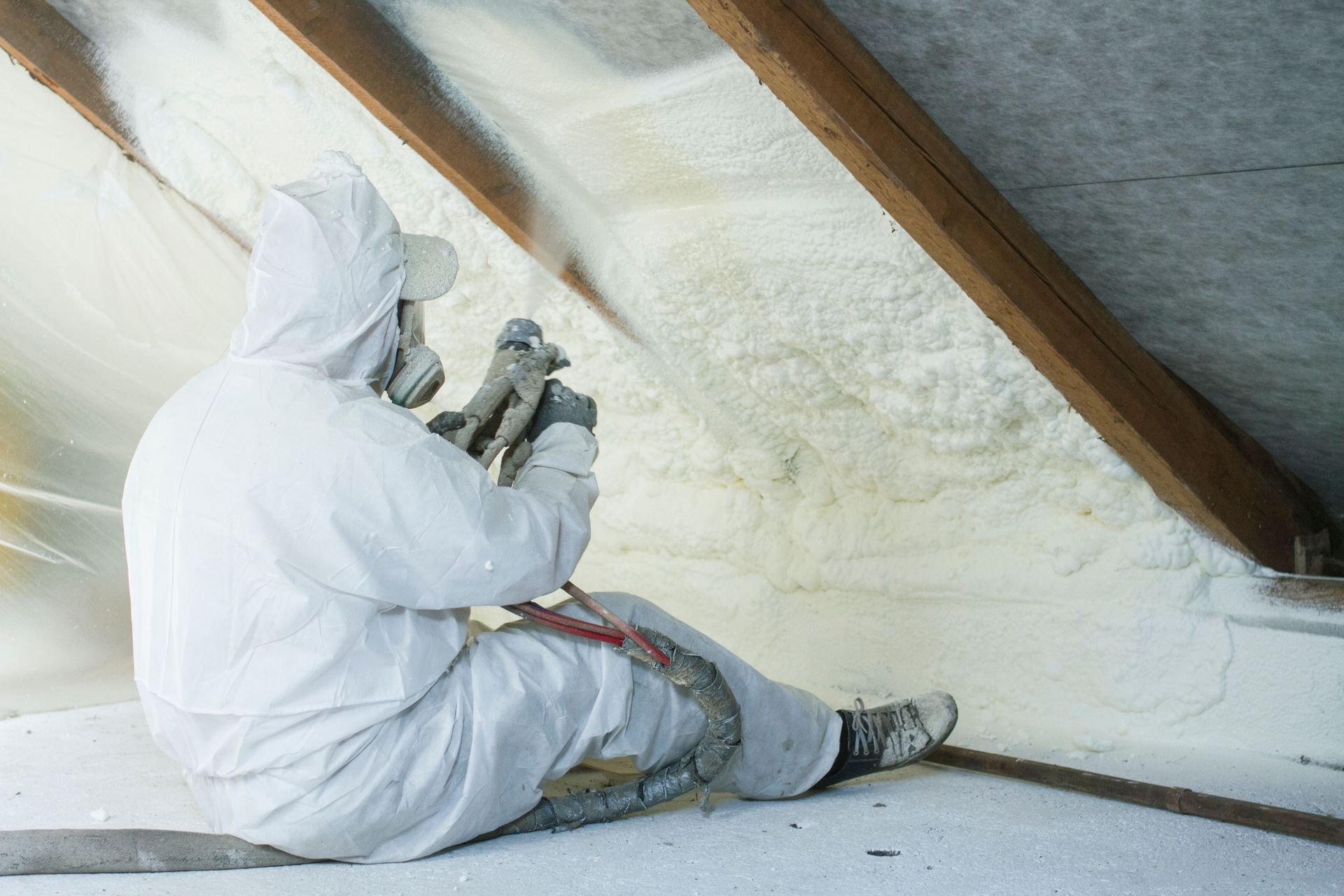
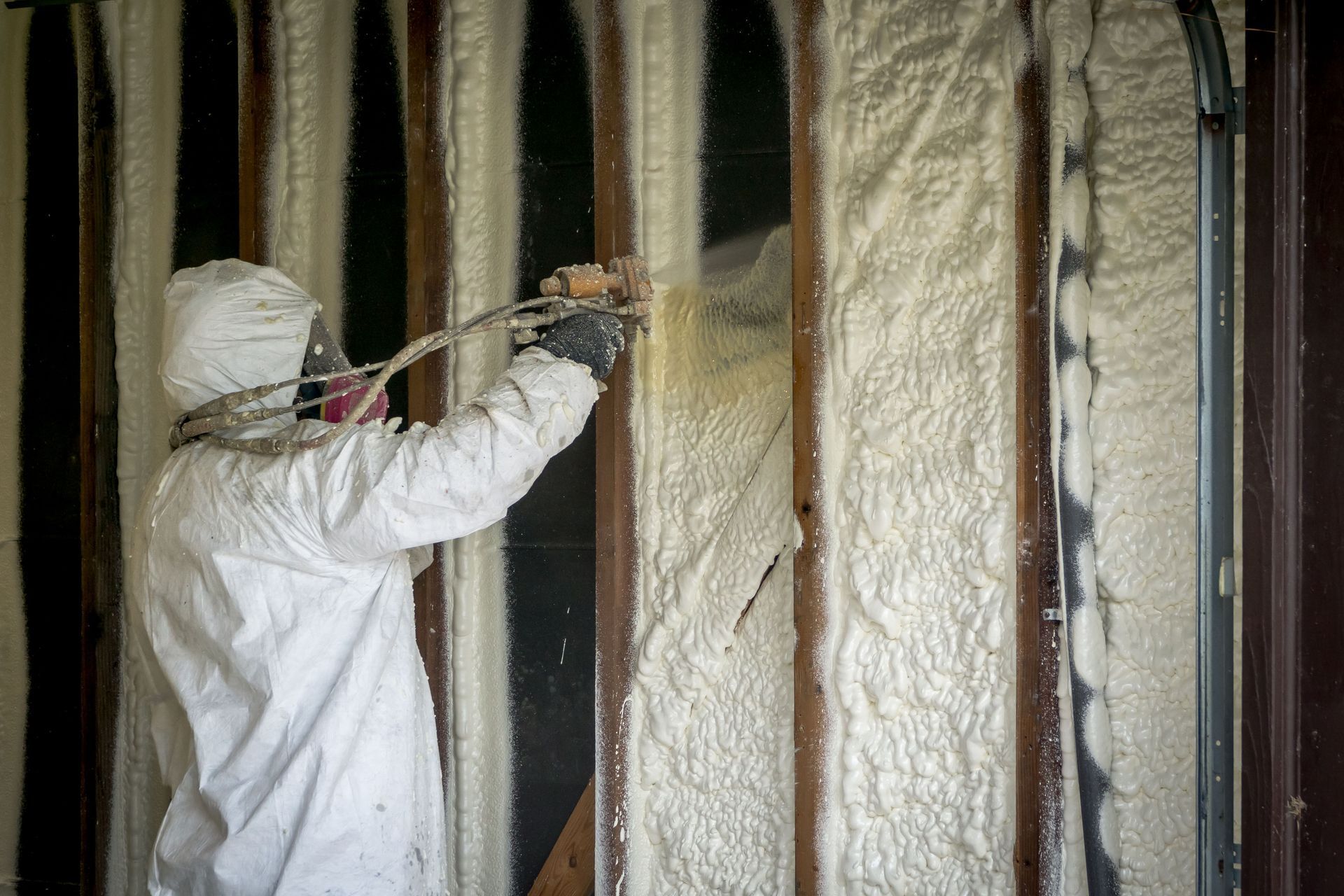
Spray foam insulation is a powerful tool when it comes to improving heat retention within a building. Traditional insulation methods often leave gaps, leading to significant energy loss. In contrast, spray foam expands upon application, filling cavities and sealing against drafts and temperature fluctuations. This superior sealing capability means your heating system doesn't have to work as hard during the winter months, reducing energy consumption considerably. Moreover, according to This Old House, there are five main factors to consider when choosing your insulation, including environmental concerns, DIY vs. professional installation, installation location, budget constraints, and R-value requirements for your climate zone, which spray foam insulation often exceeds, enhancing thermal efficiency.
Ensuring optimal heat retention through effective spray foam services also contributes to a more balanced indoor climate. When your home retains more heat, it prevents cold spots and drafts, improving comfort. This balanced climate reduces the need for additional heating sources, which can save further on energy costs. Spray foam insulation also has a long lifespan, providing consistent heat retention for many years. This durability ensures that the energy savings realized from its installation continue well into the future.
Another critical aspect of heat retention improvements lies in the insulation's ability to maintain its R-value over time. The R-value, which measures thermal resistance, is crucial for determining how well insulation performs under different climate conditions. Spray foam's ability to maintain its R-value despite environmental factors means that homes stay warmer longer without relying on additional heating. Keeping your energy expenditure low not only benefits your wallet but also contributes to reduced environmental impact. Spray foam services thus play an essential role in promoting sustainable living through enhanced energy conservation.
Reduce Cooling Costs and Enhance Summer Comfort
In addition to heat retention benefits during winter, spray foam insulation also significantly lowers cooling costs in the summer. When temperatures rise, spray foam insulation forms a barrier that helps keep cool, conditioned air inside your home. This feature ensures that your air conditioning system doesn't have to work overtime to maintain a comfortable indoor temperature. As such, regular users of air conditioning can notice a tangible difference in their energy bills by utilizing spray foam services for insulation. The dual benefit of maintaining air conditioning efficiency minimizes energy expenditure year-round.
Spray foam insulation achieves cooling cost reductions by blocking the transfer of heat from outside. Traditional insulation often allows heat to penetrate superficial layers, making it harder to keep interiors cool. Spray foam's expansion and sealing capabilities ensure no tiny cracks or openings are left uncovered, thus maintaining a consistent and comfortable indoor environment. With less demand on cooling systems, less energy is consumed, resulting in a noticeable dip in electricity bills. The cost-effectiveness associated with spray foam services is thus evident, revealing why it remains a top choice for modern insulation solutions.
The reduction in cooling costs attributed to spray foam is further enhanced by its capability to minimize moisture ingress. Summer often brings higher humidity, which can exacerbate cooling expenses. By tackling moisture infiltration at its source, spray foam insulation contributes to a less humid indoor environment, allowing air conditioning units to work more efficiently. This added efficiency conserves energy and reduces overall operating costs. For families looking to save money while maintaining summer comfort, the use of spray foam services is a wise investment that pays off through lower monthly utility bills.
Maximize Long-Term Energy Savings and HVAC Performance
When considering the switch to spray foam insulation, understanding the long-term energy savings is crucial. Over time, the reduction in heating and cooling costs can outweigh the initial installation price of spray foam services. A thorough analysis reveals that, although upfront costs are higher, the sustained decrease in energy bills leads to considerable savings. Investing in spray foam insulation ensures a quicker payback period compared to traditional materials. This long-term financial benefit highlights the wisdom in choosing spray foam for comprehensive energy efficiency.
Beyond immediate savings, spray foam insulation also contributes to less wear and tear on HVAC systems, extending their operational life. By stabilizing temperatures with less energy input, your heating and cooling systems undergo fewer cycles. This reduction in cycles means less maintenance and fewer replacements over the years. The decrease in repair costs adds another layer of financial prudence to choosing spray foam services. Additionally, the lower energy usage aligns well with environmentally conscious living, reducing the carbon footprint of your household.
Compare Insulation Costs to Make a Smarter Investment
In the world of insulation, cost is often a primary consideration for homeowners evaluating different options. Spray foam services offer a premium product with a higher upfront cost compared to traditional materials like fiberglass or cellulose. However, when accounting for energy savings and long-term benefits, spray foam often emerges as the more cost-effective choice. The initial investment is offset by reduced utility bills and fewer associated repair and maintenance expenses. Consequently, using spray foam insulation turns out to be an economical solution when considering its comprehensive benefits over time.
Examining the competition, traditional insulation types often involve higher installation and maintenance costs. Fiberglass and cellulose may seem more affordable initially, but their susceptibility to moisture and compromise in R-value often result in compromised energy efficiency. Spray foam, by contrast, retains its integrity, maintaining superior R-value and keeping energy costs down. Considering R-value requirements for your specific climate zone is essential, and spray foam's ability to meet or exceed these requirements contributes to overall cost savings. Such factors reinforce the economic logic behind investing in spray foam services.
While cost comparisons might highlight a stark price difference at the onset, communication with energy experts often recommends looking at the holistic scenario. They propose a focus on insulation's lifecycle costs, where spray foam, with its durability and efficiency, often results in a more favorable return on investment. In addition, government incentives for energy-efficient upgrades can further bridge initial cost gaps, making spray foam more accessible. Thus, a nuanced understanding of the cost-benefit dynamic reveals spray foam not just as an expense, but as an investment in sustainable, economical home energy management.
Spray foam insulation is a formidable tool for improving energy efficiency and reducing costs throughout the year. Its unrivaled ability to retain heat, reduce cooling expenses, and provide long-term savings makes it a standout choice over traditional insulation options. Supported by real-life case studies and comprehensive cost analyses, spray foam services continue to be touted for their capacity to offer both immediate and enduring economic benefits. Choosing spray foam insulation is a step toward smarter energy management and environmental stewardship in homes and businesses nationwide. Reach out to I-Foam & Insulation Inc to learn more today.